Divorce is often one of the most challenging experiences a person can face, involving not just legal procedures but also emotional, financial, and familial complexities. In India, divorce laws have evolved to provide couples with a framework that balances fairness, protection, and mutual consent. Understanding these laws, your rights, and the legal process is crucial to ensuring a smooth transition during this difficult period.
Understanding Divorce Laws in India
In India, divorce is governed primarily by personal laws based on religion, as well as by the secular Special Marriage Act, 1954. For Hindus, Buddhists, Jains, and Sikhs, divorce is regulated by the Hindu Marriage Act, 1955. Muslims follow the Muslim Personal Law, while Christians are guided by the Indian Divorce Act, 1869, and Parsis by the Parsi Marriage and Divorce Act, 1936. Interfaith couples generally fall under the Special Marriage Act.
Key grounds for divorce include cruelty, adultery, desertion, irretrievable breakdown of marriage, and mutual consent. Mutual consent divorce, particularly, has become a popular route, allowing couples to part ways amicably, minimizing conflict and emotional distress.
Step-by-Step Divorce Process
Navigating a divorce requires both legal awareness and strategic planning. Here is a structured approach:
- Consult a Family Law Expert
Consulting an experienced divorce lawyer ensures you understand your rights, obligations, and potential outcomes. Lawyers help with drafting petitions, settlement agreements, and negotiating child custody or alimony. - Filing the Divorce Petition
The process begins by filing a petition in the family court of your jurisdiction. Mutual consent divorces can be filed jointly, while contested divorces require one spouse to initiate proceedings. - Mediation and Reconciliation
Courts may suggest mediation to resolve disputes amicably. This helps reduce court time and ensures fair settlements. Mediation is particularly recommended when children are involved. - Court Hearings and Evidence Submission
For contested divorces, courts examine evidence, including proof of cruelty, desertion, or other grounds cited. Witnesses, documents, and expert testimony may be required. - Final Decree of Divorce
Once the court is satisfied, it issues a decree granting the divorce. In mutual consent cases, there is a mandatory waiting period of six months before the final decree, providing a window for reconsideration.
Child Custody and Support
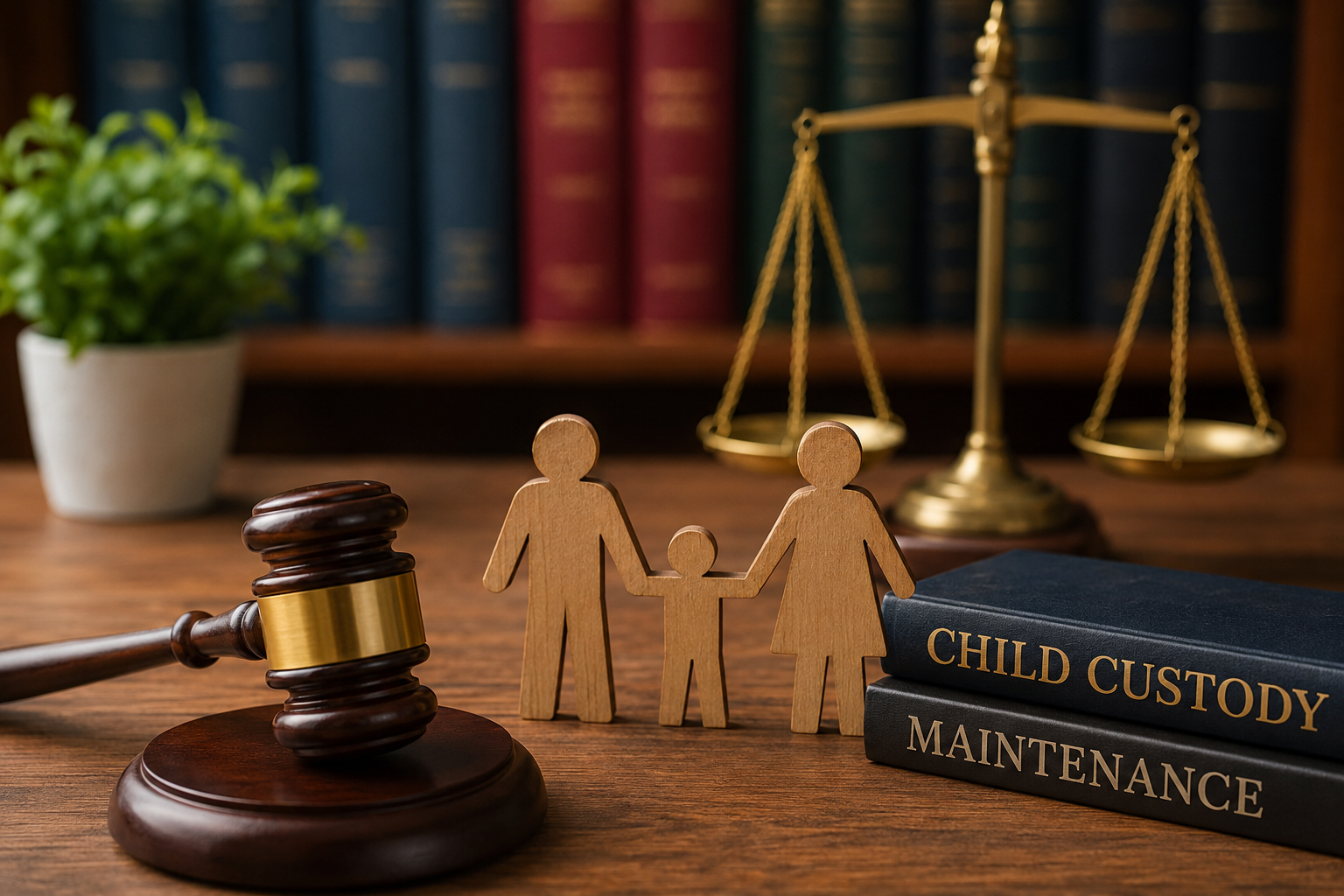
Child custody is one of the most sensitive aspects of divorce. Indian courts prioritize the welfare of the child above all. Custody can be sole or joint, with visitation rights granted to the non-custodial parent. Child support is calculated considering the financial capacity of both parents and the needs of the child, ensuring a fair and balanced arrangement.
Alimony and Financial Settlements
Alimony or maintenance is an essential aspect of divorce, ensuring financial security for the dependent spouse. Courts consider factors like the duration of marriage, income of both spouses, and standard of living while awarding alimony. Property division and asset settlement are also governed by personal laws and mutual agreements. Having legal guidance ensures these settlements are equitable.
Emotional and Psychological Considerations
While legal processes are critical, emotional support cannot be overlooked. Divorce can cause stress, anxiety, and emotional turmoil. Engaging with counselors or support groups can help individuals navigate these challenges effectively. A smooth transition is not just about legal closure but emotional healing as well.
Common Misconceptions About Divorce
Many individuals hesitate to pursue divorce due to misconceptions. Some believe that divorce will harm social standing, affect children negatively, or involve uncontrollable financial loss. In reality, with proper legal guidance and support, divorce can be a structured process that protects the rights and well-being of all parties involved. Awareness and informed decisions are key to overcoming these barriers.
Choosing the Right Legal Expert
Selecting a qualified divorce lawyer is crucial for a smooth transition. Experts bring years of experience, understand court dynamics, and can negotiate settlements that protect your rights. Look for lawyers with proven experience in family law, strong client testimonials, and a track record of handling complex divorce cases. This ensures that legal matters are resolved efficiently, reducing stress and uncertainty.
Digital Resources and Online Filing
The Indian judicial system has embraced digital tools, including e-filing of divorce petitions and virtual court hearings. Leveraging these platforms can save time and simplify the process, particularly for busy professionals or NRIs navigating Indian legal systems from abroad. Staying informed about procedural updates ensures a hassle-free experience.
Preparing for Life After Divorce
Divorce is not just an end but a new beginning. Planning for life post-divorce involves financial management, emotional well-being, and rebuilding personal identity. Seeking professional advice on financial planning, career growth, and mental health support helps create a stable, positive future.
Conclusion
Divorce in India is a multifaceted process requiring legal, emotional, and financial preparedness. By understanding your rights, seeking expert guidance, and approaching the process with a clear strategy, you can ensure a smooth and respectful transition. Remember, divorce is a journey toward a better future, not just a legal endpoint. Proper planning and support can transform a challenging situation into an opportunity for growth and independence.